
The wait for a withdrawal to clear can seem endless, especially when real money is on the line. At oficiálna stránka kasína Memo Casino, the term “pending withdrawal” refers to the window between requesting the cash-out and the moment funds actually depart the platform’s control. This status is a normal part of the financial workflow, not a glitch. During this phase, the transaction goes through a series of automated and manual verifications designed to safeguard both the player and the operator. Grasping what happens behind the scenes transforms a anxiety-filled wait into a transparent process. Memo Casino has built its payment system to reduce delays, but being aware of the mechanics of the pending state guarantees players can anticipate the timeline and avoid excessive frustration when they decide to collect their winnings.
In what manner Memo Casino Handles High-Volume Withdrawal Requests
System scalability determines the withdrawal experience during peak periods. Memo Casino allocates additional finance personnel during predictable high-traffic windows, such as Friday evenings and the days following major jackpot hits. The platform utilizes a queue-based system that orders requests strictly by submission timestamp, preventing any bias toward VIP players in the pending phase. However, VIP account managers can expedite the document verification step by personally liaising with the compliance department, though the payment processing itself remains sequential. The casino’s infrastructure depends on load-balanced servers that prevent system crashes even when thousands of players initiate withdrawals simultaneously.
Batch processing is another mechanism that influences pending durations. Instead of transmitting each withdrawal to payment gateways individually, Memo Casino clusters transactions into batches scheduled at set intervals throughout the day. A withdrawal submitted two minutes after a batch closes will wait until the next cycle, adding a few hours to the pending state. This batching system lowers transaction fees and minimizes errors, but it creates a perception of delay. The platform’s transparency could improve by displaying the next batch cutoff time in the cashier interface, though the current system sends an email notification the moment a withdrawal moves from pending to processed.
Bonus Playthrough and Its Role in Pending State
Live bonus terms are the hidden drivers of many extended pending withdrawals. When a member accepts a deposit match or free spins deal, the bonus terms impose a wagering requirement to the deposit and any profits obtained from the bonus funds. Memo Casino’s system instantly halts withdrawal attempts if the wagering progress bar has not reached 100 percentage. Trying to cash out while a bonus is running generates an instant notification, but the pending status may yet show for a short time before the system voids the request. Members must deliberately forfeit the bonus or fulfill the turnover to continue.
The complexity increases with mixed fund balances. The system separates cash balances from bonus balances, and a withdrawal request utilizes the cash portion first. If a member’s cash balance dips below the minimum withdrawal threshold after a partial bonus forfeiture, the pending request is unsuccessful. Some games apply differently to wagering requirements, and playing restricted titles with an active bonus can void the whole progress. Memo Casino records every spin and hand, and the pending phase features an audit of game contributions. A player who accidentally gambled on a table game that accounts for only ten percent toward playthrough will find their withdrawal blocked until the difference is settled.
Transaction Pending Windows
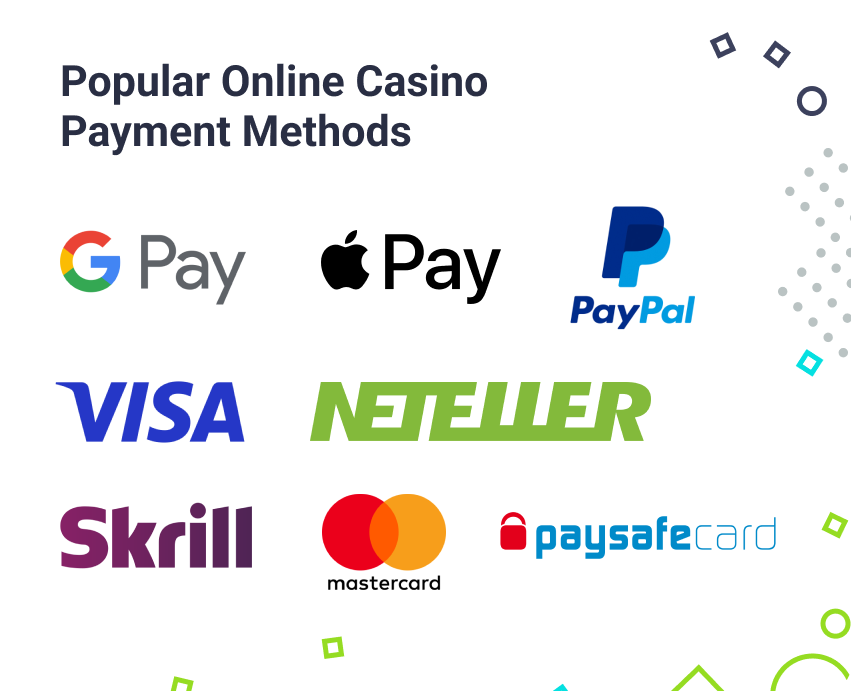
Different banking channels impose their own transaction timelines once Memo Casino processes the funds from the uncleared state. E-wallets like Skrill and Neteller generally complete transactions within minutes after approval, making them the fastest option. Credit and debit card withdrawals, however, pass through a secondary waiting phase on the banking network, often taking three to five business days to arrive in the account. Bank transfers sit at the opposite end of the processing spectrum, with standard SEPA transfers requiring up to seven business days. Cryptocurrency withdrawals are entirely dependent on blockchain congestion; during peak network traffic, even an approved transaction can linger unconfirmed for hours.
Memo Casino displays an estimated processing time next to each payment method in the cashier section, but players need to distinguish between the casino’s internal waiting period and the external processing time. The platform’s aim is to shift a withdrawal out of the pending state within 24 to 48 hours for most methods. Once the status changes to “processed,” the duty moves to the payment provider. Players using international bank transfers should account for intermediary bank fees and delays that Memo Casino cannot control. The most dependable strategy for minimizing the total wait entails using the same e-wallet for both deposits and withdrawals, creating a closed loop that the system identifies and fast-tracks.
The System Design Behind the Pending State
Ledger Synchronization and Ledger Integrity
Every pending withdrawal at Memo Casino represents a row in a secure transactional database that has to align with the game server ledgers in real time. The platform utilizes atomic database transactions, so the withdrawal either completes fully or rolls back entirely, preventing a scenario where money disappears from the balance but never reaches at the payment processor. This technical rigor accounts for why the pending state functions as a buffer. The system logs the withdrawal instruction, removes the balance, establishes an audit trail, and then waits for confirmation from the payment gateway before settling the record. Any interruption in this chain, such as a gateway timeout, leaves the transaction pending until the system attempts again the handshake.
Data Encryption and Data Protection During Processing
While a withdrawal remains in the pending queue, the financial data remains encrypted using TLS 1.3 protocols and internal key management systems. Memo Casino does not store full credit card numbers or bank account details in plaintext; instead, tokenized references point to the actual data held by the payment processor. This architecture introduces a layer of security but also creates a dependency on third-party response times. The pending phase encompasses multiple encrypted handshakes between the casino’s server and the payment provider, and a slow response from the provider’s API can prolong the visible pending period without any fault on the casino’s side.
API Call Limits and Gateway Throttling
Payment gateways impose rate limits on how many transactions a merchant can process per minute. During high-traffic periods, Memo Casino may hit these API caps, causing a backlog of pending withdrawals that the system enqueues automatically. The throttling is a protective measure implemented by banking partners to prevent system overload, and the casino’s engineers track these queues to ensure no transaction gets lost. Players experiencing delays during major promotional events are likely observing the effects of gateway throttling rather than any internal casino issue.
Deciphering Rejected Withdrawals Compared to Endless Pending
A withdrawal that is refunded to the account balance is fundamentally different from one that stays pending endlessly. Rejection occurs when the system recognizes a hard rule violation, such as an unmet wagering requirement, a mismatched payment method, or an attempt to withdraw under the minimum threshold. The funds instantly become accessible for gameplay again, and the transaction history shows a clear “rejected” status. Pending withdrawals, by contrast, stay in limbo with no resolution. If a pending status persists beyond the stated maximum timeframe, it usually indicates a missing document, a security flag, or a technical error that requires human intervention.
Memo Casino’s support team can manually bypass a stuck pending withdrawal once the underlying issue is resolved. Players should not hesitate to reach live chat if the status has not changed after 48 hours. The support agent can see internal notes attached to the transaction that are invisible to the player, showing exactly what holds the process up. Common hidden reasons include a mismatched IP address, a VPN usage flag, or a bonus that was not properly forfeited in the backend. The distinction between rejection and indefinite pending matters because a rejected withdrawal requires a new request, while a stuck pending withdrawal simply needs troubleshooting to resume its journey toward completion.
Strategic Steps to Accelerate the Outstanding Phase
Players hold significant power to shorten the pending withdrawal window through readiness. The single most effective action is finalizing the KYC verification right away after registration, not when the first withdrawal is requested. Submitting documents in advance means the compliance team has already approved the profile, removing the most common bottleneck. Using payment methods uniform is equally vital. A deposit history that shows three different credit cards and two e-wallets produces a fragmented profile that requires verification for each instrument. Adhering to one deposit method creates a clean financial trail that the system manages faster.
Timing also has a strategic role. Sending a withdrawal request early on a business morning raises the chances of same-day processing, as the finance team works during standard office hours. Avoiding withdrawals immediately after claiming a bonus prevents the system from flagging the request for wagering audits. Players should also check their account dashboard for any notification badges, as Memo Casino communicates document requests through the internal messaging center. Disregarding these alerts leaves a withdrawal in limbo. Below are practical steps every player can implement:
- Complete identity verification before depositing any funds to avoid the primary delay trigger.
- Employ the same payment method for deposits and withdrawals to fulfill closed-loop security policies.
- Clear all active bonus wagering requirements or formally give up the bonus before requesting a cash-out.
- Send withdrawal requests between Monday and Friday morning to coordinate with the finance department’s peak processing hours.
- Examine the account message center daily for document requests and answer within hours, not days.
Frequent Triggers for Payout Delays
Multiple factors can lengthen the duration a withdrawal stays in the pending state, and most of them are connected to security protocols rather than operational inefficiency. The primary trigger involves incomplete Know Your Customer verification. Memo Casino works under strict licensing terms that require identity checks before disbursing funds. If a player has not uploaded a valid government ID, proof of address, or a snapshot of the payment method utilized, the system marks the withdrawal indefinitely. Another common bottleneck is the discrepancy between deposit and withdrawal methods. The platform’s closed-loop policy necessitates funds to go back via the identical channel they came, and any deviation forces a manual review that keeps the transaction pending longer than usual.
Large withdrawal amounts also draw additional scrutiny. When a player attempts to cash out a sum that surpasses typical thresholds, the compliance team initiates enhanced due diligence. This process analyzes the source of funds and gameplay patterns to avert money laundering. Peak traffic periods hinder the queue, too. Weekends, public holidays, and major sporting events generate a spike in withdrawal requests, and the finance department processes them in chronological order. Technical glitches with third-party payment processors at times contribute to delays, though Memo Casino maintains redundant gateway connections to mitigate such risks. Players should also review their email spam folders, as the casino may have requested additional documentation without the player realizing it.
What Exactly Does a Pending Withdrawal Actually Mean
A pending withdrawal indicates that a request has been accepted and recorded in the system but has not yet been processed by the finance team or the automated payment gateway. It is a temporary waiting state that confirms the platform recognizes the instruction. At Memo Casino, this status is visible immediately in the transaction history, offering a timestamp that initiates the clock on the processing period. The funds stay visible in the casino balance during the earliest milliseconds of this phase, but they are frozen, preventing the player from reversing the transaction and wagering the amount again. This lock is a responsible gaming feature that shields users from impulsive decisions. The pending label remains until internal protocols confirm the legitimacy of the request, ensuring that the money set for release corresponds to the gameplay record perfectly.
The psychology behind the pending status counts greatly. Players often misinterpret a lengthy pending period for a technical failure or, worse, a deliberate delay tactic. In reality, Memo Casino uses this interval to coordinate data across multiple secure servers. The platform compares the withdrawal amount with the deposit history, wagering requirements, and identity verification status. If a player has taken a bonus, the system automatically checks the turnover conditions during the pending phase. This automated scrutiny is the primary reason a request does not instantly turn to “processed.” The casino’s commitment to regulatory compliance means no withdrawal bypasses this quarantine until every algorithmic checkpoint gives a green light, ensuring a fair outcome for all parties involved.
Account Locking Procedures

A withdrawal that remains pending for an extended period may have triggered a security freeze. Memo Casino’s anti-fraud algorithms track behavioral patterns, and unexpected changes, such as a login from a new device immediately followed by a maximum withdrawal request, signal concerns. The system instantly freezes the transaction and alerts the risk team. These freezes are not punitive; they protect the account holder from potential unauthorized access. The pending status in such cases remains until the player confirms their identity through a secondary channel, typically a video call or a security question verification.
Chargeback history and bonus abuse patterns also affect the intensity of scrutiny. Players who have previously initiated chargebacks with any payment provider may experience their withdrawals facing manual review permanently. Memo Casino utilizes industry-wide databases that track fraudulent behavior, and a match in these records guarantees a delayed pending period. The platform’s terms of service permit extended holding times when fraud is suspected, though the casino must eventually either process or reject the withdrawal with a clear explanation. Legitimate players affected by a false positive can rectify the issue by contacting support and submitting additional documentation verifying the legitimacy of their gameplay.
The Identity Check Labyrinth alongside Its Impact
Verification Steps Before the First Payout
The first withdrawal at Memo Casino typically triggers a full identity screening procedure. This is a one-time hurdle that greatly accelerates future transactions. The compliance department requires a color copy of a passport or government ID card, a current utility statement or account record confirming the official residence, and confirmation of ownership for the picked transaction method. These documents must be readable and correspond to the account details exactly. Any discrepancy, including a wrongly spelled street, or a lapsed document, starts the process anew. The pending status remains suspended until the verification specialist manually clears the documents, which usually takes place within 24 hours on business days.
Transaction Method Validation Protocols
Beyond personal identity, the financial instrument itself undergoes validation. Regarding credit and debit cards, Memo Casino may request a photo of the actual card with the central numbers hidden, showing only the first six and last four numbers. Electronic wallet accounts must prove possession through a screenshot displaying the registered email address. Cryptocurrency withdrawals face a distinct review, focusing on wallet address verification and blockchain analytics to ensure the destination is not flagged. This multi-layered approach explains why a pending withdrawal sometimes remains static for hours while the platform waits for a human analyst to check the submitted documents against the account profile.
Automatic File Recognition Technology
Memo Casino uses optical character recognition software to preselect uploaded files before a human reviews them. This technology extracts data from ID cards and utility bills instantly, flagging blurry images or mismatched names within seconds. The robotic process reduces the manual workload but may also decline files that a person would approve, causing a pending withdrawal to stall until the player resubmits clearer copies. Its rigorous standards ensures compliance but requires that users photograph documents in good lighting without glare.
Loyalty Levels and Expedited Withdrawal Processing
Memo Casino’s loyalty program adds a nuanced aspect to the unsettled withdrawal experience. Higher VIP tiers provide specialized financial managers who personally oversee the authentication and processing of big transfers. While the queue order is timestamp-based for normal processing, VIP players enjoy faster document checks and immediate contact lines that can settle alerts faster. The pending status for a premium player may endure only a few hours, whereas a beginner’s request might require the entire standard period. This graduated method compensates long-term loyalty without compromising the security checks that are standard across the board.
The VIP advantage does not extend to bypassing legal compliance. Even top-level players must undergo ID checks and anti-money laundering checks. However, their cash-out limits are considerably larger, lowering the frequency of requests and the related waiting times. A standard player might need to break a large win into several smaller cash-outs over many weeks, each one triggering a new unsettled stage. A VIP player can payout the whole total in one transaction, enduring the waiting state only one time. The platform also provides a personal account manager who initiates contact with the player if any paperwork is about to run out, avoiding future hold-ups.
Understanding the inner workings of unsettled withdrawals changes a inactive waiting period into an informed process. The status is a shield that secures funds from fraud and error, not a barrier meant to annoy. Memo Casino’s infrastructure balances swiftness with security, and players who align their habits with the platform’s needs hardly ever experience prolonged waits. The secret lies in readiness, consistency, and a willingness to get involved with the verification process early. Every pending withdrawal ultimately clears, and the openness of the system assures that settlement occurs with the funds intact and the account in excellent condition.